Douzelage Association in Chojna
EU Projects
School in the community - community in the school
Gryfino County, the Secondary School Complex No. 1 in Chojna and the Douzelage Association in Chojna on the Polish side, and St. Thomas More College, Primary School Marsaskala and Strategies of Interactive Training Foundation on the Maltese side, as part of the Comenius Regio program, have launched the project "School in the community - community in school".
The project aims to leverage the experience of educational institutions in both partner regions to address the specific challenges faced by each organization and their collaboration with the local community, as well as to engage individual institutions in the teaching and learning process. The project aims to examine:
- education in Europe, cooperation between local authorities, schools and non-governmental organizations,
- programom europejskim (Comenius, Leonardo da Vinci, Młodzież w Działaniu, Europa dla Obywateli) i ich roli w życiu szkoły i lokalnej społeczności,
- local labor markets, businesses and their involvement in training in schools, cooperation between schools and potential employers,
- cultural and artistic education, how various organizations support the education system,
- formal and informal links between schools, local authorities and parents,
- cooperation between schools and their governing bodies.
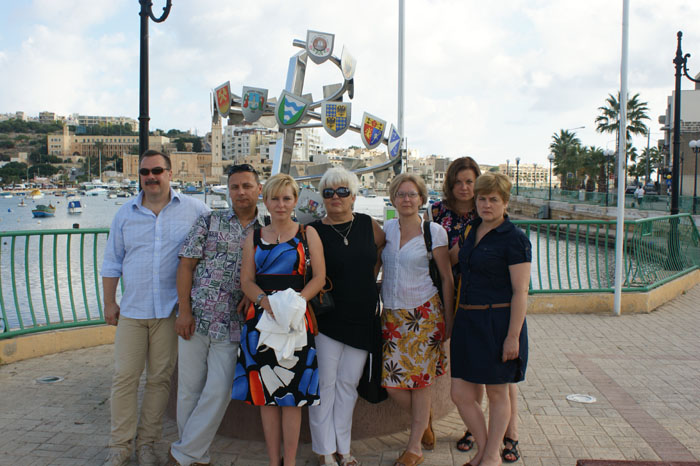
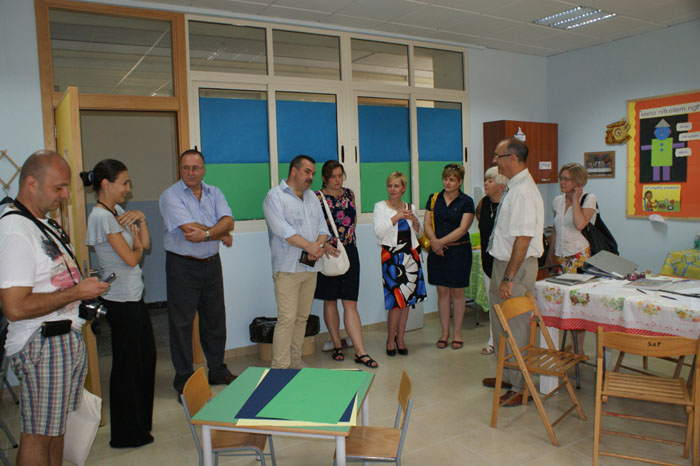
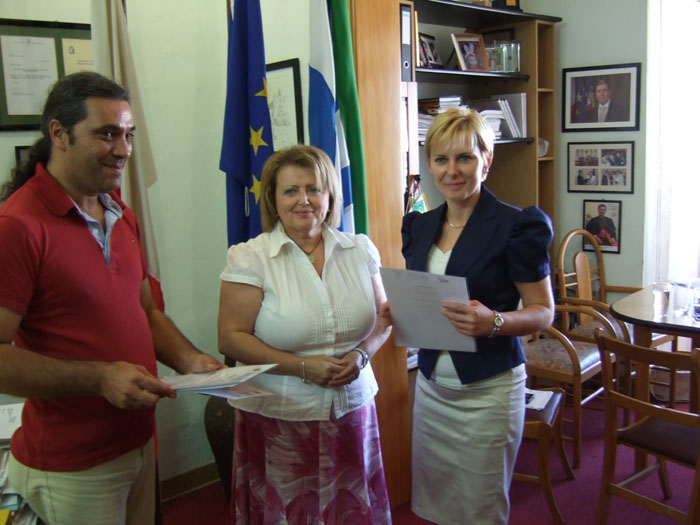
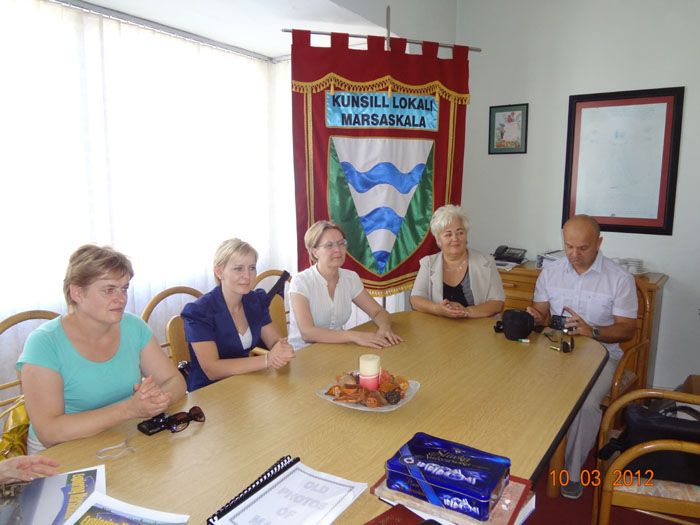
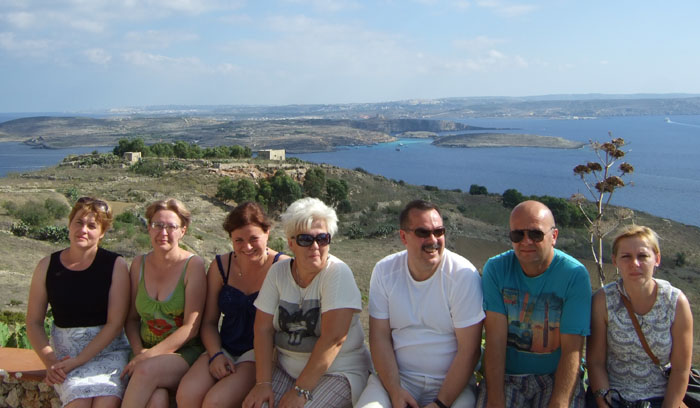
From October 2, 2012 to October 6, 2012, the first meeting of partners took place in Marsaskala, Malta. During the meeting with the Mayor of Marsaskala, Mario Calleja, and Mrs. Josephine Mifsud, head of St. Thomas More College, project participants were introduced to the principles of cooperation between St. Thomas More College with the local government, and Mark Causon presented and discussed the functioning of his foundation. During the meeting, many interesting questions were asked about the school's cooperation with both the mayor and other organizations supporting the school's work. Mrs. Josephine Mifsud briefly presented and discussed the Maltese education system, asking questions about the Polish education system. The similarities and differences of both systems, as well as problems occurring in the functioning of the facilities, were immediately noticed. The visit to the Primary School in Marsaskala was an opportunity to ask detailed questions. The school principal, Mr. Wilfred Cassar, presented the history of the school to the project participants, and then everyone visited the facility. It turned out that the methods and forms of work used in Maltese schools and the scope of material are very similar to those used in Polish schools. During the meeting at the school, project participants had the opportunity to ask many questions about cooperation with parents, pedagogical and psychological support, therapists, career counselors and teachers supporting work with children with disabilities. Many questions were asked about the employment of teachers, their professional advancement, development opportunities and funding for further education and professional development. The Director said that Malta does not have any natural resources and the best investment is in people, their development and education. The meeting took place in a nice and creative atmosphere, especially when it turned out how many similarities there are in the functioning of our schools.
Project participants visited Malta's capital, Valletta, and the island of Gozo. Malta captivated everyone with its beautiful landscapes, historical monuments, and above all, the warmth, kindness, and cordiality of the Maltese people.